

An eyelid twitch can feel like a tiny drumbeat you can’t control. Optometrists call it myokymia, which is a slow, involuntary contraction of the eyelid muscle that usually affects 1 eye at a time. It often shows up during a busy stretch, when you’re sleeping less or spending extra time on screens that leave your eyes tired. And while it can be distracting, people around you rarely notice it.
Most eyelid twitches come from everyday triggers like stress, fatigue, caffeine, or dry eye, and they usually fade once you deal with the cause. If yours doesn’t, your optometrist can check whether an eye condition might be involved.
Common Reasons Behind Twitchy Eyelids
Stress and fatigue are the most common triggers behind a twitchy eyelid. A hard week at work or a few short nights can leave the small muscles around your eyes prone to spasms.
Caffeine plays a part too. Higher caffeine intake has been linked to eyelid twitching, so if your third cup of coffee lines up with the flutter, the 2 may be connected.
Surface irritation can also set things off. Allergies, dust, or a stray eyelash can leave the area sensitive, and rubbing your eyes tends to make it worse.
How Dry Eye Can Lead to Eyelid Twitching
When your eyes don’t make enough tears, or your tears evaporate too quickly, the surface can feel gritty and scratchy. Dry eye is a common source of that irritation, and sometimes your eyelid responds with a twitch.
Lubricating drops are often the first step. If they don’t bring much relief, dry eye therapy can target the oil glands along your eyelids that help keep your tears stable.
Screen Time, Eye Strain, and Eyelid Twitching
Your eyes have to keep refocusing to see a screen up close, and after a few hours those focusing muscles can wear out. You also stare more and blink less, so the surface of your eyes dries out faster.
Watch for a few other signs of digital eye strain that often show up with a twitch:
- Tired or sore eyes
- Blurry vision
- Headaches
- Watery eyes
How to Stop an Eyelid Twitch at Home
Most twitches settle down with a few changes to your routine. Start with sleep. A couple of full nights of rest give tired muscles a chance to recover, and the twitching may ease on its own.
Cut back on coffee and energy drinks for a few days, and keep a glass of water nearby. If you usually have caffeine late in the day, moving it to the morning can also help you sleep better.
Try a warm compress, too. Soak a clean cloth in warm water and hold it over your closed lids for a few minutes. The heat can relax the eyelid and help the glands in your lids release the oils that keep your eyes from drying out.
If stress is behind it, make room in your day for something that helps you unwind. A walk outside or a few minutes of slow breathing can help your body relax.
When to See an Optometrist About Eyelid Twitching
Most twitches fade within a few days. If yours keeps coming back for weeks or starts to get in the way of your day, it’s time for a closer look.
Less often, twitching comes from a different condition. Blepharospasm, for example, can make the eyelid close forcefully, while hemifacial spasm can spread twitching across 1 side of the face. Book an exam if you notice any of these signs:
- Your eyelid closes all the way during a spasm
- Your upper eyelid droops
- Your eyelid looks swollen
- The twitching spreads to other parts of your face
- Your eye turns red
If the twitch comes with sudden vision changes or pain, reach out for urgent eye care right away.
What to Expect at an Eye Exam
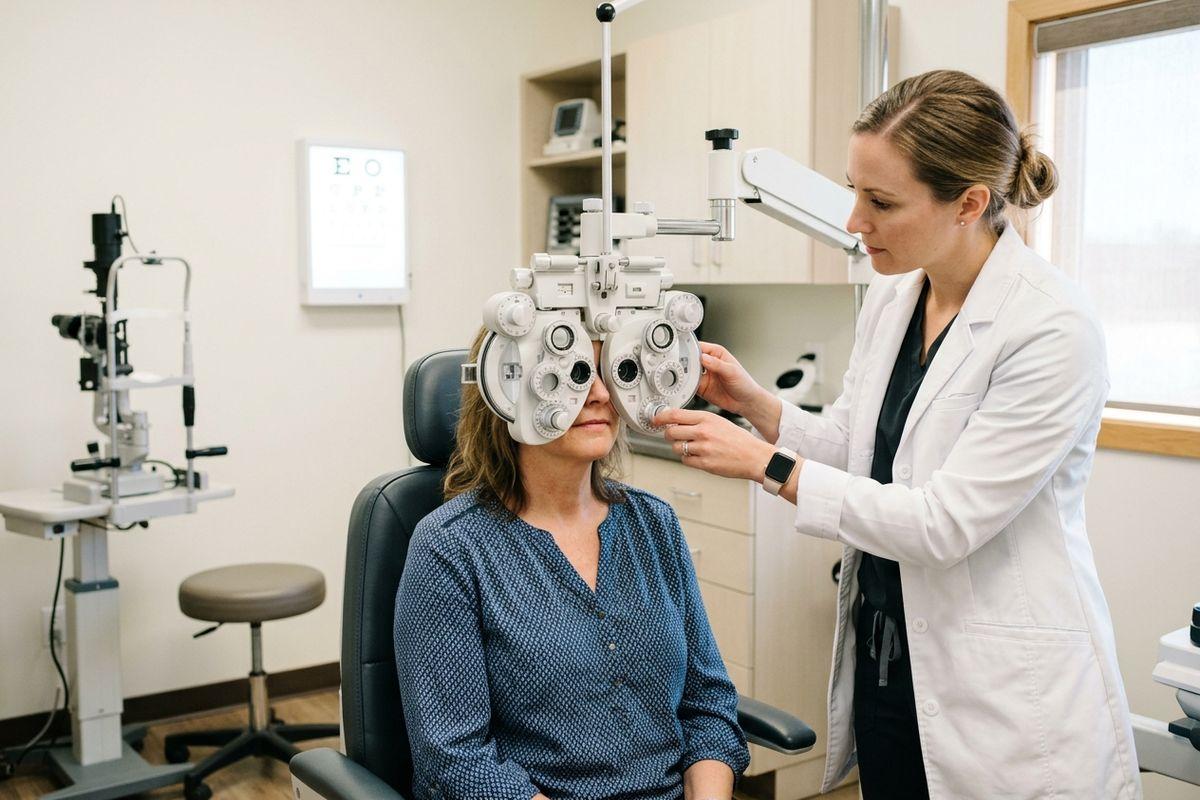
During your appointment, your optometrist can check how well your eyes hold moisture and how they cope with long periods of close focus. That helps rule out dry eye and strain as the source of the twitch.
If you wear contacts, ask about a contact lens fitting. Lenses that don’t fit well can rub against the surface of your eye and leave it feeling dry by the end of the day.
We see patients of all ages, and regular visits give your optometrist a chance to spot small changes before they turn into bigger concerns.
Get Answers About Your Twitching Eyelid
An occasional twitch usually points to something in your routine, like short sleep or long hours on a screen. When it keeps coming back, an eye exam can help you find out whether something else is going on.
Our team at Northern Lights Eyecare takes the time to get to know you and your vision needs. Book an appointment and let’s figure out what’s behind that flutter together.